
Resources for Quitting Smoking
Your path to better breathing and better health

You Don't Have to Do This Alone
Quitting tobacco is one of the most important choices you can make for your health. At North Mississippi Health Services, our care teams walk with you at every step. Whether you’re thinking about quitting or ready to try again, you’ll find tools, guidance and support that fit your life.
Why Quitting Smoking Matters
How Smoking Affects Your Body
Smoking harms your heart, lungs and blood vessels. Nicotine speeds up your heart rate and raises your blood pressure, which makes your body work harder. It also narrows your blood vessels so less oxygen reaches your skin, bones and organs. This slows healing and raises your risk for infections.
Top Reasons to Quit Smoking
People quit for many different reasons. Some want more energy. Some want to breathe easier. Others want to save money or protect their family from secondhand smoke. No matter your reason, quitting helps you live a longer, healthier life.
Health Benefits You Can Feel
Your body starts repairing itself within minutes of your last cigarette:
- Your heart rate slows
- Your blood pressure drops
- Oxygen levels rise
- Blood flow improves
- Your body heals faster
These benefits continue to grow the longer you stay smoke free.
How to Quit Nicotine: Tools and Support
Build a Simple Quit Plan
A quit plan helps you stay on track. Yours may include:
- Know your why — Write down why you want to quit
- Pick a quit date — Choose a day in the next two weeks
- Find your triggers — Stress, routines and certain places may make cravings stronger
- Build support — Ask friends, family or your care team for help
- Prepare your space — Remove tobacco products from your home, car and workplace
Proven Tools That Make Quitting Easier
You don’t have to rely on willpower alone.
Nicotine Replacement Therapy (NRT)
Patches, gum, lozenges, nasal spray and inhalers can help reduce cravings.
Prescription Medications
Medicines like varenicline or bupropion may ease withdrawal and help you stay smoke free. Talk with your primary care provider to see what’s right for you.
Free Coaching and Support
- Call 1-800-QUIT NOW (1-800-784-8669) for free coaching in many languages.
- Your NMHS care team can also offer education on medications, withdrawal and strategies to help you quit.
Handling Cravings and Withdrawal
Common symptoms of nicotine withdrawal:
• Irritability
• Trouble sleeping
• Strong cravings
• Mood or energy changes
What helps:
• Deep breathing
• Drinking water
• Light exercise
• Healthy snacks
• Changing routines
• Calling a support person
If you slip, don’t give up. Think about what happened and try again. Every attempt brings you closer to success.
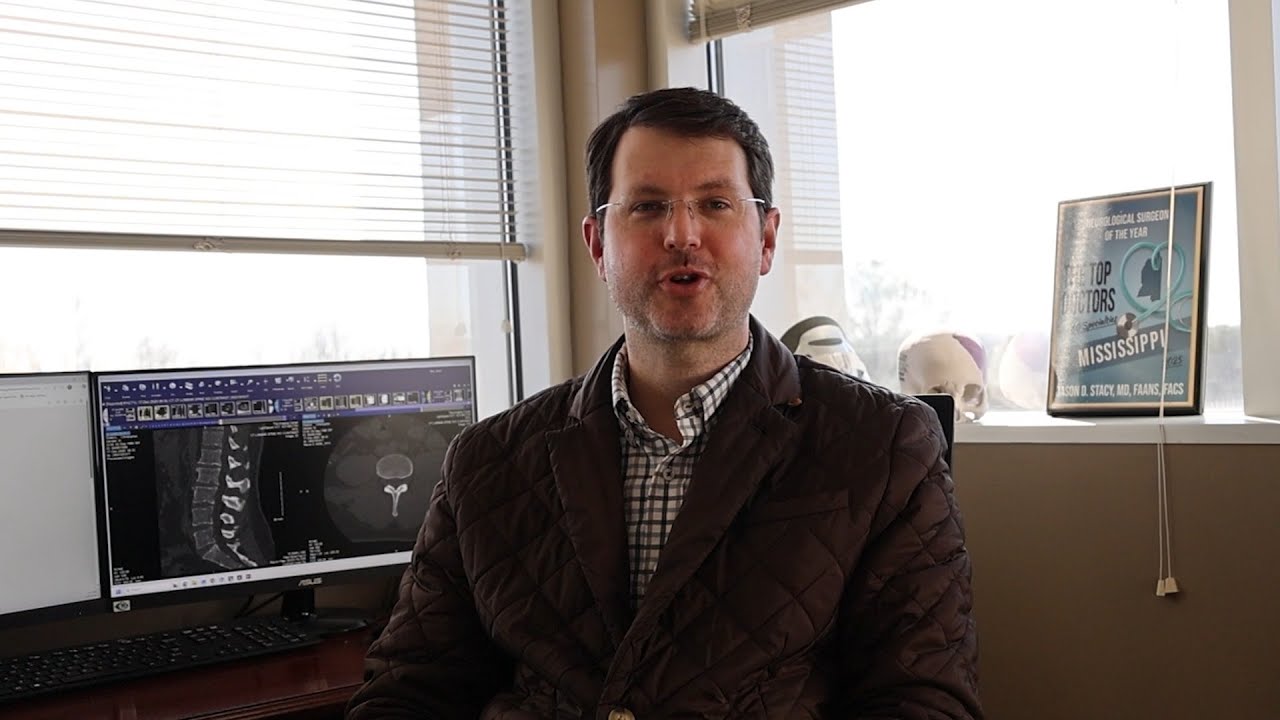
Hear from our expert
Frequently Asked Questions About Quitting Tobacco
1‑800‑QUIT NOW (1-800-784-8669)

The First Step Toward a Healthier Tomorrow
Quitting tobacco or nicotine is possible and you have what it takes. Get our free toolkit filled with easy-to-follow guidance and tools that help you take control of your health — one confident step at a time.
The First Step Toward a Healthier Tomorrow
Quitting tobacco or nicotine is possible and you have what it takes. Get our free toolkit filled with easy-to-follow guidance and tools that help you take control of your health — one confident step at a time.