
Summary
Most strokes are linked to risk factors you can manage—often with simple, steady changes. Read on to learn the five most important steps you can take to protect your brain and lower your stroke risk.
Stroke is the fifth-leading cause of death in the United States and a leading cause of long-term disability. Approximately 800,000 strokes occur each year in the United States alone. But many major risk factors are within your control.
Types of Strokes
There are two types of strokes:
- Ischemic—accounts for about 85% of strokes and is related to plaque buildup or blood clots
- Hemorrhagic—accounts for about 15% of strokes and involves bleeding in or around the brain
Risk Factors for Strokes
Controlling these stroke and vascular risk factors can significantly reduce your risk of stroke:
- High blood pressure is the most important modifiable risk factor for stroke, increasing stroke risk by about threefold. Normal blood pressure is less than 120/80. Many people with high blood pressure have no symptoms. Check your blood pressure at home and write down your numbers. Share your blood pressure log with your health care provider to see if you need to start or adjust blood pressure medicine.
- Diabetes can damage blood vessels and increase stroke risk by about twofold. Keeping your blood sugar in a healthy range and following a recommended eating plan can help lower your risk. If you have diabetes, check your blood sugar as recommended, record your readings and discuss them with your health care provider.
- Smoking is a major preventable cause of stroke. People who smoke have about double the risk of ischemic stroke and a higher risk of hemorrhagic stroke. Even one cigarette a day can increase stroke risk by more than 30% compared with nonsmokers. Quitting can significantly lower your risk of stroke, heart disease, vascular disease, lung disease and cancer. When you’re ready, talk with your health care provider about a quit plan that fits you.
- High cholesterol is a risk factor for stroke and plaque buildup in blood vessels. Lowering LDL (“bad” cholesterol) can reduce the risk of ischemic stroke. For people with a history of stroke or transient ischemic attack (TIA), especially when plaque buildup is involved, statin medications have been shown to lower stroke risk and overall cardiovascular risk. For people with no history of stroke or cardiovascular disease, exercise, weight loss and a heart-healthy diet may be enough to reduce risk. Talk with your health care provider about a plan that’s right for you.
- Obstructive sleep apnea is an increasingly recognized and often underdiagnosed risk factor for stroke. Severe obstructive sleep apnea can double stroke risk. About 70% of people who have a stroke also have sleep apnea, and it’s associated with worse outcomes. If you snore, feel tired during the day or have morning headaches, talk with your health care provider about screening for obstructive sleep apnea.
Health care providers play an essential role in helping you manage and reduce stroke risk, but daily choices matter, too. Take ownership of your health by following medical advice and making lifestyle changes to help minimize your risk of stroke.
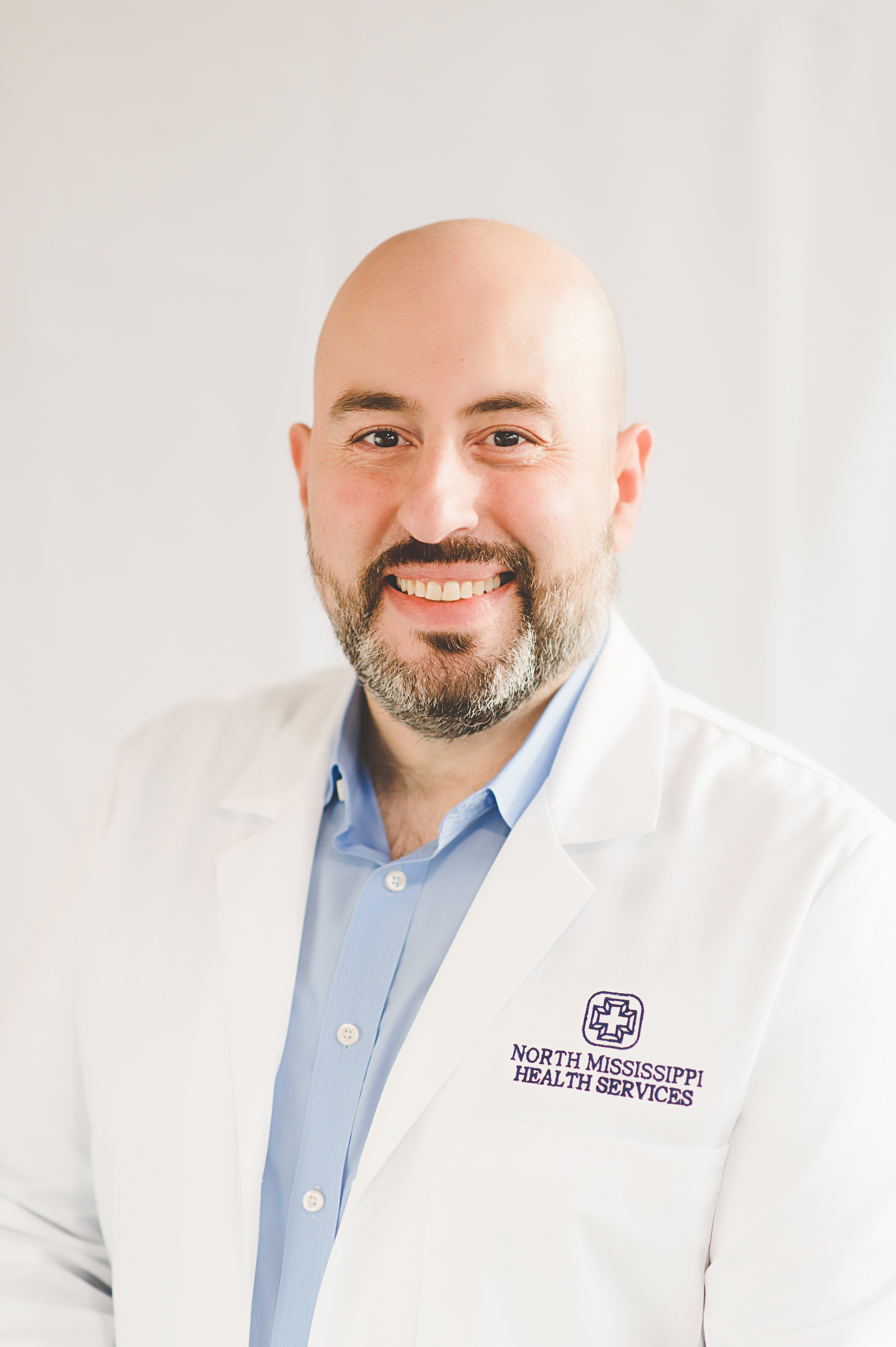
Feras Jeradeh-Boursoulian MD
Feras Jeradeh-Boursoulian, MD, is director of the neurology hospitalist and stroke programs at North Mississippi Medical Center-Tupelo. He earned his medical degree from Damascus University Medical School and completed an internship and residency at the University of Arkansas for Medical Sciences Medical Center in Little Rock.

myConnection
Schedule your next appointment, start an E-visit, communicate with your doctor, request prescription refills and access your test results — just a click away.
Related Links
Topics
- Managing Your Health
Share
If you see someone experiencing stroke symptoms, call 9-1-1. Seeking treatment immediately can prevent disability.


Subscribe to Our Newsletter
Like this content and want to get more? Sign up for True North, the health and wellness newsletter from North Mississippi Health Services!
Subscribe to Our Newsletter
Like this content and want to get more? Sign up for True North, the health and wellness newsletter from North Mississippi Health Services!

Nurse Link®
Not sure if you need Urgent Care or the ER? Call 1-800-882-6274 anytime to speak directly to a registered nurse and get immediate answers. Using computerized medical protocols, nurses direct callers to the most appropriate treatment. Our nurses are available 24 hours per day, seven days per week.