
Summary
Vein disorders can lead to serious complications if untreated, with conditions ranging from varicose and spider veins to DVT, venous ulcers, and chronic venous insufficiency.
Vein disorders are more than a cosmetic issue. Left untreated, they can cause serious health complications.
Approximately 1 in 3 adult Americans are affected by varicose veins. Healthy leg veins contain valves that open and close to assist the return of blood back to the heart. However, weak, damaged or abnormal veins can cause serious health concerns, and should you experience venous symptoms, you may need to contact your primary care provider about treatment options.
Surgeons at the North Mississippi Medical Center Vein Center offer several venous treatments for varicose veins, spider veins and more.
What We Treat
Varicose Veins: Varicose veins may appear as gnarled, enlarged veins, and most commonly appear in the legs and feet. Varicose veins can cause aching pain, discomfort and, sometimes, more serious health problems. Treatment typically includes exercise or compression stockings, though a procedure can be performed to close or remove the veins.
Spider Veins: Spider veins are dilated capillaries on the skin and are named for their resemblance to spider legs. Spider veins don’t typically cause symptoms, but burning, itching or discomfort may occur. Our spider vein treatments can help alleviate symptoms and help you feel better about your skin’s appearance.
Deep Vein Thrombosis (DVT): A DVT is a blood clot in a deep vein and can cause leg swelling, pain and other mild symptoms. A DVT can lead to more serious health complications, so if you notice symptoms, contact your doctor.
Venous Ulcers: Venous ulcers are wounds on the leg or ankle caused by abnormal or damaged veins. Symptoms include leg swelling or cramping, a dull aching pain and discoloration of the skin.
Venous Reflux: Also known as chronic venous insufficiency (CVI), venous reflux is a form of venous disease that occurs when veins in your legs are damaged or abnormal. About 1 in 50 adults with varicose veins go on to develop chronic CVI.
Risks & Symptoms
Those most at risk for venous insufficiencies are typically older, female, have obesity, do not exercise regularly or have a family history of varicose veins. As mentioned above, venous insufficiencies can cause swelling in your legs or ankles, tight feeling in your calves or itchy, painful legs, pain when walking and brown-colored skin, often near the ankles. Our physicians offer vein closures and vein follow-ups to ensure the healthiest course of treatment for you.
If you have immediate health concerns, please reach out to your primary care physician. If you are experiencing venous-related symptoms or think you might be at risk for varicose veins and other insufficiencies, contact the Vein Center at (662) 377-8921.
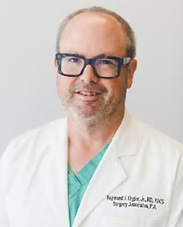
Raymond Orgler, MD
Dr. Orgler is a surgeon at Surgery Associates and the Vein Center. He graduated with honors from the University of Mississippi School of Medicine. He completed a surgery internship and residency at the University of Arkansas for Medical Sciences and began practicing in 2002. He is certified by the American Board of Surgery and is a Fellow of the American College of Surgeons. His expertise and special interest is in all facets of general, breast, colorectal, hernia, venous, robotic and laparoscopic surgery.

MyChart (also known as myConnection)
Schedule your next appointment, start an E-visit, communicate with your doctor, request prescription refills and access your test results — just a click away.
Topics
- Managing Your Health
Share


Subscribe to Our Newsletter
Like this content and want to get more? Sign up for True North, the health and wellness newsletter from North Mississippi Health Services!
Subscribe to Our Newsletter
Like this content and want to get more? Sign up for True North, the health and wellness newsletter from North Mississippi Health Services!
Nurse Link®
Not sure if you need Urgent Care or the ER? Call 1-800-882-6274 anytime to speak directly to a registered nurse and get immediate answers. Using computerized medical protocols, nurses direct callers to the most appropriate treatment. Our nurses are available 24 hours per day, seven days per week.