
Summary
Substance abuse is more common, and more complex, than many people realize. Learn how addiction develops and why understanding it opens the door to compassion and makes recovery possible.
Let’s talk about something that touches nearly every community, school, university, workplace and too many families: substance abuse.
Substance abuse is not just about statistics or headlines. It is a human issue about pain, coping, vulnerability and, ultimately, hope.
Substance Abuse is More Common Than You Think
When you hear “substance abuse,” you may think immediately of illegal drugs. You might picture heroin, cocaine or methamphetamine. But substance abuse is broader than that.
It includes the misuse of alcohol, prescription medications like opioids and benzodiazepines, over-the-counter drugs and even substances that are legal and socially acceptable such as kratom (an herbal substance with stimulant- and opioid-like effects).
Consider alcohol. It is legal, widely available and often a part of celebrations and social events. Yet alcohol misuse contributes to accidents, violence, chronic health conditions and addiction.
Consider the opioid crisis that was driven in part by prescription painkillers and later by heroin and synthetic opioids. Communities across the country have felt its devastating impact.
Why Substance Use Starts
Substance abuse doesn’t begin with bad intentions. It often begins with the desire to feel better. To escape stress. To numb emotional pain. To cope with trauma. To manage anxiety and depression.
Sometimes it starts with a prescription after surgery. Sometimes it starts with curiosity. And sometimes it starts with a simple thought: “This will help me get through the day.”
Natural Doesn’t Necessarily Mean Harmless
Because kratom is marketed as a “natural” product, many automatically assume it is safe. But natural does not always mean harmless.
Kratom acts on some of the same receptors in the brain that opioids do. At lower doses, it can have stimulant-like effects. At higher doses, it can produce sedative and pain-relieving effects. Some users report dependence, withdrawal symptoms and negative side effects such as nausea, irritability and sleep problems.
Research on kratom is still developing, and there is ongoing debate about its risk and potential uses. What is clear, however, is that self-medicating whether with alcohol, prescription drugs, illicit drugs or substances like kratom can carry serious risk, especially when used without medical guidance or in combination with other substances.
How Addiction Changes the Brain
Substance abuse affects the brain’s reward system. Repeated use can change how the brain experiences pleasure, motivation and stress.
Over time, what may have started as a choice can become a compulsion. When tolerance develops, more of the substance is needed to achieve the same effect. And when someone tries to stop, withdrawal symptoms can make it extremely difficult.
Addiction Isn’t a Moral Failure
The most important thing I want to tell you is that addiction is not a moral failure. It is not a sign of weakness or lack of willpower. It is a complex condition influenced by biology, psychology, environment and life experiences. Shame and stigma only make it harder for people to seek help.
Prevention begins with education and honest conversation. We need to talk openly about the pressures people face such as academic stress, financial hardship, trauma and social isolation. We need to teach healthy coping skills such as exercise, creative outlets, strong relationships, counseling and mindfulness. We need to create environments where asking for help is seen as a strength, not a flaw.
The Hope of Recovery
For those already struggling, I want you to know that recovery is possible. Treatment may include counseling, support groups, medication-assisted treatment for opioid use disorder, and ongoing community support. Recovery is rarely a straight line. There may be setbacks. But with support, people rebuild their lives every single day.
If you or someone you know is struggling with substance use, reach out to a trusted friend, family member, professional therapist, local support organizations such as NA or AA or call our office.
Early intervention can make a tremendous difference. We are here to help you.
Let’s replace judgment with compassion. Let’s replace silence with conversation. And let’s remember that behind every story of substance abuse is a human being worthy of dignity, care and hope.
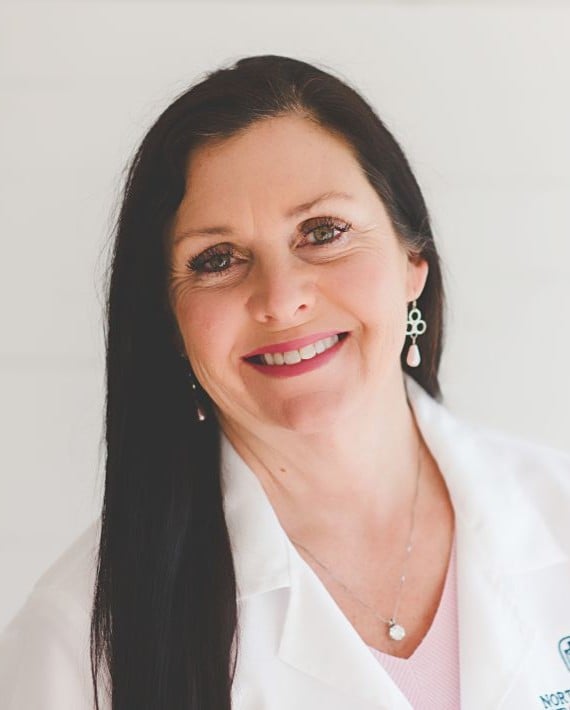
Edith Faulkner FNP

myConnection
Schedule your next appointment, start an E-visit, communicate with your doctor, request prescription refills and access your test results — just a click away.
Related Links
Topics
- Managing Your Health
Share
Struggling with addiction can feel overwhelming, but help is closer than you think. Our team offers evidence-based care focused on dignity, understanding and long-term wellness.


Subscribe to Our Newsletter
Like this content and want to get more? Sign up for True North, the health and wellness newsletter from North Mississippi Health Services!
Subscribe to Our Newsletter
Like this content and want to get more? Sign up for True North, the health and wellness newsletter from North Mississippi Health Services!

Nurse Link®
Not sure if you need Urgent Care or the ER? Call 1-800-882-6274 anytime to speak directly to a registered nurse and get immediate answers. Using computerized medical protocols, nurses direct callers to the most appropriate treatment. Our nurses are available 24 hours per day, seven days per week.