
Dec 13 2024
Understanding Autism
Summary
Recognizing the signs of autism early & seeking help can make a big difference in a child’s life.
What is Autism?
Autism Spectrum Disorder (ASD) is a developmental condition that affects how a person communicates, interacts and processes the world around them.
While autism can present differently in every individual, there are common signs that may appear during early childhood. These can include difficulty with communication, limited interest in play or social interaction, challenging behaviors and sensory processing difficulties.
Recognizing these signs early and seeking appropriate help can make a big difference in a child’s life. Research has shown that the earlier a child begins receiving help, the better their outcomes are in the long run. This is because a young child’s brain is still developing, making it more adaptable to learning new skills and forming connections.
Common Signs
It is important to understand that not all children with suspected or diagnosed autism will present the same.
Some of the more common and frequently reported signs of autism in early childhood include:
- Delayed speech or language skills – a child may experience a sudden regression or not show typically emerging skills such as babbling, pointing or using appropriate gestures and words to indicate their basic wants and needs
- Difficulty with play – a child may prefer isolated play and have difficulty understanding social cues and norms, instead of showing interest toward playing with others
- Repetitive behaviors – a child displays repetitive behavioral or play tendencies, such as rocking/pacing back and forth, lining up items or flapping hands
- Sensitivity or aversion to sensory input and experiences – a child may show an adverse response to certain textures (picky eater), sounds, movement or lights
- Limited eye contact – a child may avoid making direct eye contact with others during interactions or seem uninterested in interacting with others
- Delayed ADL (activities of daily living) skills – children with autism are frequently delayed in developing ADL or “self-help” skills, including toilet training, dressing and feeding
Seeking Help Matters
Occupational therapy can improve a child’s cognitive, social, behavioral, developmental and self-help skills needed to complete daily activities.
Physical therapy can improve a child’s awareness and safety when navigating and exploring his or her daily environments by addressing balance, coordination, strength and agility.
Speech therapy can improve a child’s ability to communicate and interact with others, both verbally and non-verbally, for improved socialization.
Supplemental therapies can also benefit the child and family, including:
- Applied behavioral analysis
- Cognitive behavioral therapy
- Parent-child interactive therapy
Supporting Your Child
If you are concerned about your child’s behaviors or development, talk to your pediatrician at your child’s next well child appointment. Remember, the earlier the better when it comes to identifying delays, challenges and needs. With the right tools and support, every child has the potential to grow and achieve his or her goals.
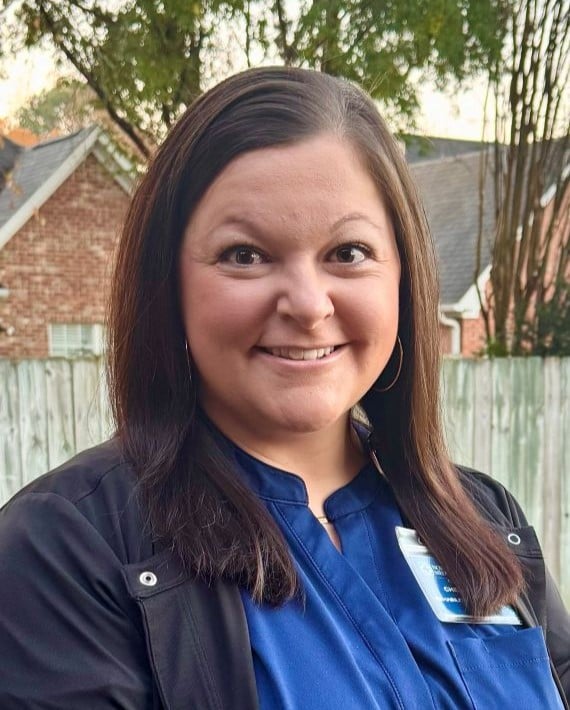
Chelsea Saxton, OTR/L
Chelsea Saxton, OTR/L, is a licensed occupational therapist, specializing in pediatrics at North Mississippi Medical Center’s Outpatient Rehabilitation Center, located in Longtown Medical Park in Tupelo.

MyChart (also known as myConnection)
Schedule your next appointment, start an E-visit, communicate with your doctor, request prescription refills and access your test results — just a click away.
Related Links
Topics
- Kids' Health
Share
Parents do everything they can to help their children stay well and happy. At North Mississippi Health Services, so do we.


Subscribe to Our Newsletter
Like this content and want to get more? Sign up for True North, the health and wellness newsletter from North Mississippi Health Services!
Subscribe to Our Newsletter
Like this content and want to get more? Sign up for True North, the health and wellness newsletter from North Mississippi Health Services!
Nurse Link®
Not sure if you need Urgent Care or the ER? Call 1-800-882-6274 anytime to speak directly to a registered nurse and get immediate answers. Using computerized medical protocols, nurses direct callers to the most appropriate treatment. Our nurses are available 24 hours per day, seven days per week.