
Summary
Diabetes can directly damage the blood vessels within the retina. Regular eye exams are essential to early detection and treatment of diabetic retinopathy.
If you have diabetes, preventive eye care is essential to protecting your vision.
Diabetes can directly damage the blood vessels within the retina. The retina is the light-sensitive tissue at the back of the eye. It is sometimes compared to the film in a camera.
People with both type 1 and type 2 diabetes are at risk for this kind of retina damage, called diabetic retinopathy. It is a leading cause of vision impairment and blindness. In the United States, about 29% of adults with diabetes aged 40 and older have some level of diabetic retinopathy.
Am I at risk?
Anyone with diabetes can develop diabetic retinopathy. The longer you have diabetes, the higher your risk of diabetic retinopathy becomes. You can lower your risk by managing your diabetes.
- Exercise regularly
- Maintain a healthy diet
- Take diabetes medication as prescribed
Symptoms
Early in the course of diabetic retinopathy, there may not be any symptoms. Some patients experience fluctuating changes in their vision, such as difficulty reading or watching TV.
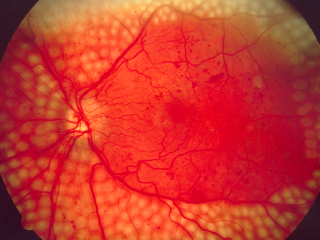
Regular dilated eye examinations can detect early stages of the disease. A dilated eye exam is straightforward and painless. Your eye doctor will widen your pupil with eye drops to see the back of your eye.
Later in the course of the disease, abnormal blood vessels may form at the back of the eye. These abnormal blood vessels affect the retina in different ways:
Bleeding
The abnormal blood vessels may bleed into the vitreous, the gel that fills your eye. It may be noticeable as floaters or streaks that may look like cobwebs. The bleeding may also cause vision loss. Although the bleeding can sometimes disappear on its own, immediate treatment is recommended because the bleeding can cause scar tissue to form at the back of the eye. This scar tissue may pull the retina away from the back of the eye and lead to irreversible vision loss, known as retinal detachment.
Leaking
When the abnormal blood vessels are leaky, fluid may build up at the back of the eye, causing the retina to swell. This is called diabetic macular edema (DME). An estimated one in 15 patients with diabetes will develop DME. The fluid can damage to the light-sensing cells within the retina, especially if it remains untreated for a long time. DME requires treatment to avoid irreversible vision loss.
Glaucoma
The abnormal blood vessels can grow beyond the retina and prevent fluid from draining out of the eye, causing a form of glaucoma. Untreated, glaucoma can damage the optic nerve and cause vision loss and blindness.
Treatment options
In the early stages of diabetic retinopathy, your eye doctor may track how your eyes are doing. You will be asked to manage your diabetes as well as you can. It is also important to control your blood pressure and cholesterol. You may be asked to return as often as every two to four months for repeat exams.
In later stages, treatment is recommended to reduce the risk of vision loss. The treatments can include injections, laser treatments and eye surgery.
Injections most commonly use medications to reduce the growth of abnormal blood vessels that drive the disease. Multiple injections are typically needed.
Laser treatments can be used to stop the growth of abnormal blood vessels. The laser can also reduce leakage from the abnormal blood vessels.
If there is a lot of bleeding or scar tissue in your eye, your eye doctor may recommend surgery to remove the blood or the scar tissue.
All of these treatments are offered through North Mississippi Retina Center.
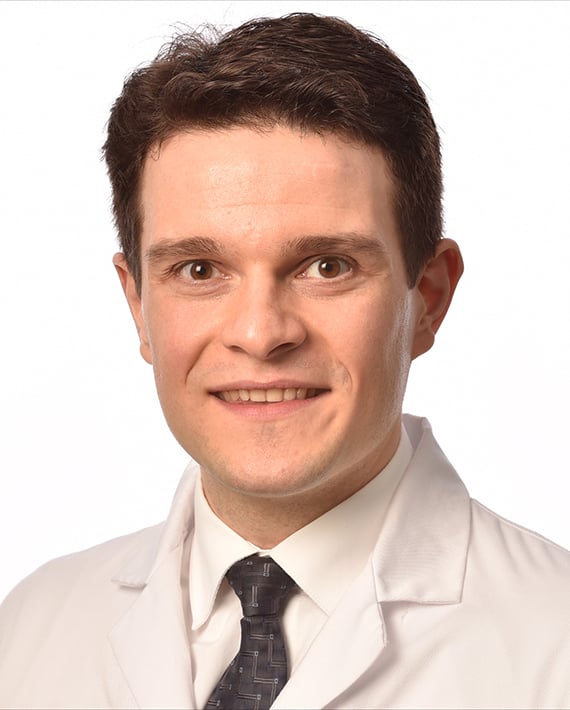
Etienne Schonbach, MD
Dr. Etienne Schönbach specializes in vitreoretinal diseases and surgery, complex cataract surgery and uveitis. He completed his ophthalmology residency at Case Western Reserve University. He completed retina fellowships at the Wilmer Eye Institute, Johns Hopkins University, and the Shiley Eye Institute at the University of California, San Diego.
Dr. Schönbach sees patients at North Mississippi Retina Center in Tupelo and West Point. He also performs surgery at North Mississippi Medical Center-Tupelo. To schedule an appointment at either clinic location, call North Mississippi Retina Center at (662) 377-3340.

MyChart (also known as myConnection)
Schedule your next appointment, start an E-visit, communicate with your doctor, request prescription refills and access your test results — just a click away.
Related Links
Topics
- Managing Your Health
Share
Call 1-800-THE DESK (1-800-843-3375) to make an appointment with an ophthalmologist. Referral is required for most appointments with the NMMC Retina Center and for Low Vision Therapy. For more information, call (662) 377-3340 during office hours.


Subscribe to Our Newsletter
Like this content and want to get more? Sign up for True North, the health and wellness newsletter from North Mississippi Health Services!
Subscribe to Our Newsletter
Like this content and want to get more? Sign up for True North, the health and wellness newsletter from North Mississippi Health Services!

Nurse Link®
Not sure if you need Urgent Care or the ER? Call 1-800-882-6274 anytime to speak directly to a registered nurse and get immediate answers. Using computerized medical protocols, nurses direct callers to the most appropriate treatment. Our nurses are available 24 hours per day, seven days per week.