May 26 2026
Build a Perfect Salad
Summary
Want to make your salads more satisfying and less boring? Use this handy guide to build a delicious, balanced salad with the right mix of greens, crunch, protein and flavor
Nothing hits the spot better on a warm day quite like a cold, crisp salad.
When produce is perfectly in season, it becomes so much easier to enjoy a wide variety of fruits and veggies. Let’s walk through how to build a salad that’s nourishing, filling and never boring.
Start with a Green Base
Start every salad with a leafy, green base. Lighter greens like iceberg or butter lettuce have the mildest flavor and the least nutrients, while darker greens such as kale and spinach are more nutrient dense.
Consider:
- Lettuce
- Spinach
- Spring mix
- Kale
- Arugula
- Cabbage
Add the Crunch
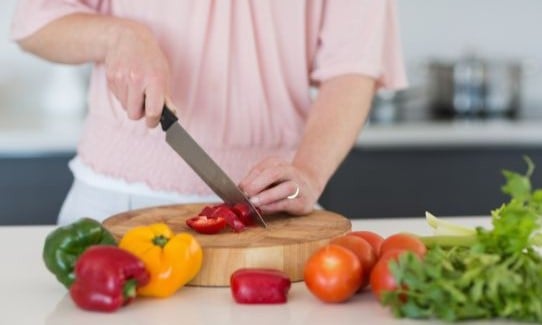
Crunchy vegetables like carrots, cucumber, peppers, broccoli, cauliflower and tomato add texture and color. For additional flavor, try adding roasted veggies to enhance your salad experience.
More veggies = more fiber to help satisfy and keep you feeling full longer.
Consider:
- Carrots
- Cucumber
- Zucchini
- Bell pepper
- Radishes
- Broccoli
- Cauliflower
- Celery
- Tomatoes
Bring in Something Soft
Next, add something soft like avocado or even a spoonful of guacamole to spice up your salad. Maybe add some fresh fruit for a different texture.
Consider:
- Avocado
- Olives
- Cheese
- Roasted sweet potatoes
- Beets
- Fruit
Pump Up the Protein
Protein turns your salad into a meal that keeps you satisfied for longer. If your goal is weight loss, choose leaner proteins such as chicken or turkey breast, tuna or shrimp, boiled eggs or even low-fat cottage cheese. Beans or grains can serve as a protein source for a plant-based salad.
Consider:
- Chicken
- Turkey
- Tuna
- Boiled egg
- Shrimp
- Cottage cheese
- Beans
- Quinoa
Top it Off with Flavor
Lastly, be sure to include a flavor booster but remember that a little goes a long way. Dressings, nuts and cheeses add a lot of flavor but can also pack a calorie punch, so use sparingly if you’re watching your weight.
Vinegar and oil-based dressings are a healthier option than creamy dressings. Consider leaving the dressing on the side and dipping your fork into it before each bite of salad to decrease consumption. Ideally, a healthy salad has about 1-2 tablespoons of dressing, nuts or cheeses.
Consider:
- Fresh herbs
- Vinaigrette
- Oil and vinegar
- Fresh-squeezed citrus
- Flavored vinegars
- Pesto
- Nuts or seeds
Better for You Ranch
If you love ranch dressing, here’s a lighter version that still tastes great:
- 2 cups non-fat plain Greek yogurt
- 1oz packet of Ranch Dip mix
Mix ingredients well. Serve chilled and enjoy with veggies or thin out with water for salad dressing.
Nutrition:
½ cup (4 servings) – 75 Calories; 0.5g Fat; 4g Carbohydrates; 12g protein
If served with 1 cup of raw vegetables (carrots, broccoli, cauliflower, cucumber, celery, etc.) = 90 calories, 15g carb, 4g fiber.
Total: About 165 calories; 1g fat; About 20g carb; 4g fiber; 12g protein
Compare to original Ranch dressing:
2 Tablespoons 140 calories; 14g fat (12% of sat fat); 2g carb; 1g protein; 260mg sodium
Keep it Fun
Even the best salad can get boring if you eat it the same way every day. So, switch up your greens, rotate your toppings, try new proteins or play with different dressings. Mix it up and enjoy more vegetables in a delicious way!

Emily Littlejohn, MS, RD, LD
Emily Littlejohn, MS, RD, LD, is a registered dietitian with NMMC’s Population Health Department. Emily holds bachelor’s and master’s degrees in food and nutrition services from the University of Mississippi. She offers nutrition counseling by appointment at the North Mississippi Wellness Center in Tupelo. Call (662) 377-7803 for more information.

myConnection
Schedule your next appointment, start an E-visit, communicate with your doctor, request prescription refills and access your test results — just a click away.
Topics
- Healthy Lifestyles